
Lodges By Baron

History and Culture of Hunza in February

History and Culture of Hunza in February
History and Culture of Hunza in February: The Ultimate Travel Guide

Hunza Valley is one of Pakistan’s most famous places to travel, known for its dramatic mountain scenery, rich history and unique cultural heritage. Most tourists visit the valley during spring and summer, but to explore Hunza in February is a whole different story – silent, snow cloaked and absorbing.

Whether you want to plan a winter getaway, this guide for February will allow you to dig deeper into Hunza’s historic sites, cultural practices and so much more!

Why Visit Hunza in February?

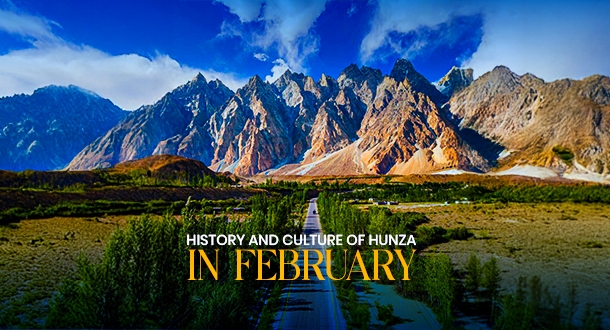
Winters in Hunza take on a calm paradise in February. The rooftops are white with snow, mountain peaks rise up more strongly against the clear skies and tourist hordes have decreased monumentally.

Here’s why February is the best time to be in Hunza:

  • – Serene atmosphere with fewer tourists
  • – Snow-bound views of Rakaposhi and other peaks
  • – Better hotel availability
  • – Ideal conditions for photography
  • – Authentic local interaction


But in winter you can discover Hunza’s rich heritage without the swift procession of peak season.

A Brief History of Hunza

Hunza With more than 1000 years worth of history behind it, Hunza. Formerly a princely state, the Hunza valley was ruled by the Mirs of Hunza until 1974. Historically, Hunza was an important point on the Silk Route for trade.

This has played a significant role in the region, not only at the architectural and traditional level but also at the social level. Even now the valley has quite an identity to itself, a strong sense of history and cultural pride.

Must-Visit Historical Sites in February

1) Baltit Fort

Standing proudly above Karimabad, Baltit Fort is over 700 years old and was once the residence of Hunza’s rulers. Its wooden balconies and Tibetan-influenced design reflect the valley’s historical connections.

In February, the snow-covered surroundings create a magical and peaceful setting, making your visit even more memorable.

2) Altit Fort

Older than Baltit, Altit Fort is more than 900 years old. It offers panoramic views of the Hunza River and surrounding mountains. The fort has been beautifully restored, allowing visitors to understand the defensive architecture and royal lifestyle of ancient Hunza.

Winter visits are quieter, giving you more time to explore and appreciate its heritage.

3) Ganish Village

Ganish is one of the oldest settlements in Hunza. Its ancient watchtowers and traditional houses reflect the valley’s defensive history and close-knit community structure. Walking through its narrow lanes in winter gives you an authentic glimpse into traditional Hunza life.

Understanding Hunza’s Culture

Hunza is predominantly home to the Ismaili Muslim community, known for its progressive outlook, emphasis on education, and peaceful coexistence. The culture of Hunza is deeply rooted in community harmony and social development.

Key cultural highlights include:

  • – Traditional music and folk dances
  • – Handcrafted embroidery and woolen caps
  • – Organic farming practices
  • – Community-based celebrations


The winter salt pans are almost panless and provide an opportunity to meet with the locals and experience their life.

Hunza’s History in February, Is it a good time to visit?

Yes, absolutely. For those who fancy themselves explorers instead of sightseers, February is the perfect time to visit. Outdoor explorations such as trekking may be practically out of the question with snow, but sightseeing becomes more comfortable and leisurely.

hunza in feb is ideal for:

  • – History lovers
  • – Cultural explorers
  • – Couples looking for a romantic winter getaway
  • – Photographers and content creators

Final Thoughts

To delve into the life and rich culture of Hunza during February is an unusual chance to be in awe by a serene Valley. Whether it’s ancient forts, authentic villages, snow-capped natural settings or locally-crafted hot dishes that draw you to this incredible destination; winter adds a touch of it own magic.

If you want a culturally-enriched and quiet traveling experience, then Hunza in February is indeed wortha visit.

Share:

History and Culture of Hunza in February
History and Culture of Hunza in February: The Ultimate Travel Guide

Hunza Valley is one of Pakistan’s most famous places to travel, known for its dramatic mountain scenery, rich history and unique cultural heritage. Most tourists visit the valley during spring and summer, but to explore Hunza in February is a whole different story – silent, snow cloaked and absorbing.

Whether you want to plan a winter getaway, this guide for February will allow you to dig deeper into Hunza’s historic sites, cultural practices and so much more!

Why Visit Hunza in February?

Winters in Hunza take on a calm paradise in February. The rooftops are white with snow, mountain peaks rise up more strongly against the clear skies and tourist hordes have decreased monumentally.

Here’s why February is the best time to be in Hunza:

  • – Serene atmosphere with fewer tourists
  • – Snow-bound views of Rakaposhi and other peaks
  • – Better hotel availability
  • – Ideal conditions for photography
  • – Authentic local interaction


But in winter you can discover Hunza’s rich heritage without the swift procession of peak season.

A Brief History of Hunza

Hunza With more than 1000 years worth of history behind it, Hunza. Formerly a princely state, the Hunza valley was ruled by the Mirs of Hunza until 1974. Historically, Hunza was an important point on the Silk Route for trade.

This has played a significant role in the region, not only at the architectural and traditional level but also at the social level. Even now the valley has quite an identity to itself, a strong sense of history and cultural pride.

Must-Visit Historical Sites in February

1) Baltit Fort

Standing proudly above Karimabad, Baltit Fort is over 700 years old and was once the residence of Hunza’s rulers. Its wooden balconies and Tibetan-influenced design reflect the valley’s historical connections.

In February, the snow-covered surroundings create a magical and peaceful setting, making your visit even more memorable.

2) Altit Fort

Older than Baltit, Altit Fort is more than 900 years old. It offers panoramic views of the Hunza River and surrounding mountains. The fort has been beautifully restored, allowing visitors to understand the defensive architecture and royal lifestyle of ancient Hunza.

Winter visits are quieter, giving you more time to explore and appreciate its heritage.

3) Ganish Village

Ganish is one of the oldest settlements in Hunza. Its ancient watchtowers and traditional houses reflect the valley’s defensive history and close-knit community structure. Walking through its narrow lanes in winter gives you an authentic glimpse into traditional Hunza life.

Understanding Hunza’s Culture

Hunza is predominantly home to the Ismaili Muslim community, known for its progressive outlook, emphasis on education, and peaceful coexistence. The culture of Hunza is deeply rooted in community harmony and social development.

Key cultural highlights include:

  • – Traditional music and folk dances
  • – Handcrafted embroidery and woolen caps
  • – Organic farming practices
  • – Community-based celebrations


The winter salt pans are almost panless and provide an opportunity to meet with the locals and experience their life.

Hunza’s History in February, Is it a good time to visit?

Yes, absolutely. For those who fancy themselves explorers instead of sightseers, February is the perfect time to visit. Outdoor explorations such as trekking may be practically out of the question with snow, but sightseeing becomes more comfortable and leisurely.

hunza in feb is ideal for:

  • – History lovers
  • – Cultural explorers
  • – Couples looking for a romantic winter getaway
  • – Photographers and content creators

Final Thoughts

To delve into the life and rich culture of Hunza during February is an unusual chance to be in awe by a serene Valley. Whether it’s ancient forts, authentic villages, snow-capped natural settings or locally-crafted hot dishes that draw you to this incredible destination; winter adds a touch of it own magic.

If you want a culturally-enriched and quiet traveling experience, then Hunza in February is indeed wortha visit.

Share:

Write a review